AI Tools in Action: Real-World Remote Access Use Cases

Published
Updated


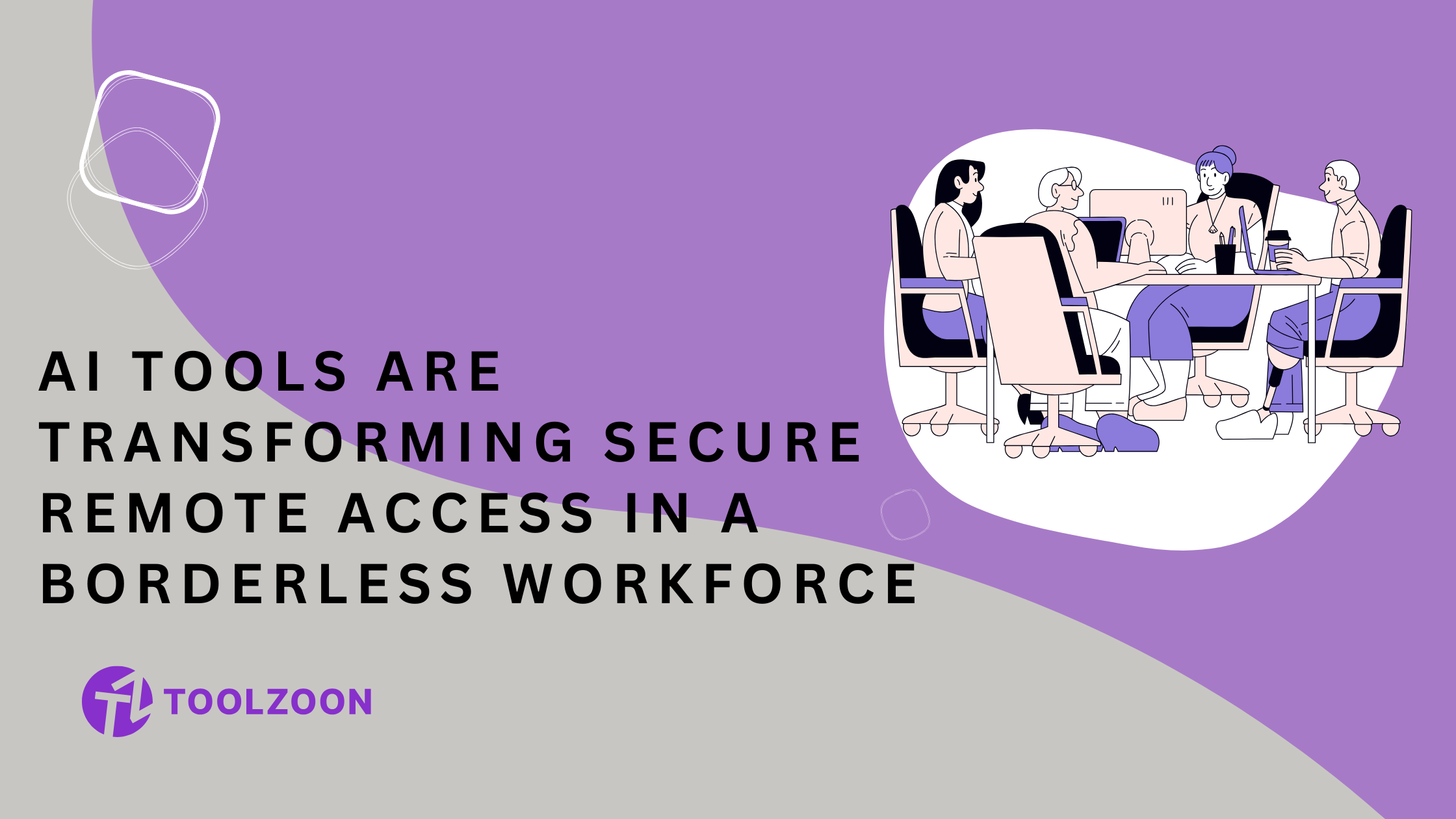
Artificial intelligence is now reshaping how people work, collaborate, and access systems from anywhere in the world. From smart automation to cybersecurity, AI-powered tools are becoming the foundation of modern remote access systems. With distributed teams across the globe, freelancers, and digital nomads having become the norm, security and reliable connectivity are foundational requirements.
This article will explore how AI tools are redefining remote access, why security matters, and how privacy-focused connectivity solutions are adapting to evolving landscapes across the globe.
The Rise of AI-Powered Remote Work Tools
AI tools have gone far beyond chatbots and data analysis systems. Today, they help support workflows, optimize cloud performance, and personalize user experiences. For remote teams, this means smoother, more secure access to systems without compromising on security or speed.
Machine learning algorithms can now:
- Predict login behaviors based on historical patterns and flag anomalies in real-time
- Optimize bandwidth allocation for remote sessions by analyzing network congestion
- Automate identity verification using behavioral biometrics and device fingerprinting
- Flag suspicious network activity such as unusual login locations or access times
These capabilities allow businesses to scale remote systems and operations while reducing human error. As businesses grow, AI-driven systems adapt to how employees work, actively reducing the risk of breaches. This type of system not only improves security protocols but also delivers consistent access experiences across teams and time zones.
Concrete example: Companies like Microsoft and Google use AI-powered adaptive authentication that analyzes over 30 billion login signals daily to detect compromised accounts. When an employee attempts to log in from an unusual location or device, the system can automatically trigger multi-factor authentication or temporarily block access until verification is complete.
The result is a remote access environment that allows businesses to scale, remain resilient, and support growth across teams globally.
Pro Tip: Document Security Policies with AI As your remote workforce grows, clear security documentation becomes critical. Use Toolzoon's AI Copywriter to create comprehensive security policies, employee guidelines, and access protocols that scale with your team.
Why Remote Access Security Is an AI Priority
Remote access expands the attack surface significantly. Employees connect from home networks, airports, and coworking spaces—many of which lack adequate security. AI-driven security tools continuously learn what normal behavior looks like and respond quickly to suspicious incidents.
According to guidance from the National Institute of Standards and Technology (NIST), adaptive security models are essential for modern network architectures. Static defenses are no longer sufficient due to constantly changing access points and evolving threat landscapes.
AI enhances remote access security by:
- Continuously authenticating users instead of relying on one-time logins—monitoring session behavior throughout access duration
- Detecting zero-day attacks by identifying unusual patterns that don't match known threat signatures
- Automatically isolating compromised sessions and quarantining affected endpoints before lateral movement occurs
- Analyzing threat intelligence from millions of endpoints globally to predict emerging attack vectors
Real-world impact: According to IBM's 2025 Cost of a Data Breach Report, organizations using AI-powered security tools reduced breach detection time by an average of 108 days and saved $1.76 million per incident compared to those without AI security.
This demonstrates how remote access security is essential in AI systems, and the importance of maintaining a secure workspace. This approach helps increase productivity and allows businesses to expand their workflows globally without risking cyberattacks.
AI, Privacy, and Location Flexibility
Another significant benefit of AI-enhanced connectivity is location intelligence. Many AI tools now rely on cloud-based systems that must be accessed globally. However, geographical restrictions, bandwidth throttling, and local network policies can create limitations.
This is where secure tunneling technologies come into play. One practical solution is a free VPN, which helps by encrypting connections to enhance security and privacy, especially when working remotely from untrusted networks. This approach protects data traffic and maintains service availability across regions, particularly when paired with AI-driven monitoring tools that detect and respond to connection anomalies.
How AI and VPNs work together: Modern AI systems can monitor VPN connections for unusual patterns—such as sudden bandwidth spikes indicating data exfiltration, or connection attempts from blacklisted IP ranges. By combining encrypted tunneling with intelligent threat detection, remote workers gain both privacy and proactive security.
Additionally, AI-powered systems can automatically route traffic through optimal servers based on current network conditions, ensuring both security and performance for distributed teams accessing cloud resources from different continents.
Pro Tip: Create Remote Work Guidelines Help your distributed team stay secure with clear, accessible documentation. Use Toolzoon's Outline Generator to structure comprehensive remote work handbooks covering VPN usage, security protocols, and best practices.
AI Tools in Action: Real-World Remote Access Use Cases
AI-powered remote access isn't theoretical—it's already embedded into everyday workflows across industries.
1. IT Support and Remote Troubleshooting
AI-based remote support tools can diagnose issues, suggest fixes, and even resolve problems autonomously without waiting for human intervention. For example, tools like ServiceNow's AI-powered IT Operations Management can detect when an employee's VPN connection is unstable, automatically run diagnostic tests, identify the root cause (such as DNS configuration issues), and either fix it automatically or create a prioritized ticket with recommended solutions for the IT team.
Business impact: Companies using AI-driven IT support report 40-60% reduction in ticket resolution time and significant decreases in repeat issues.
2. Cloud Development Environments
Developers accessing cloud environments remotely benefit from AI systems that detect credential misuse or abnormal behavior patterns. For instance, if a developer account suddenly starts downloading large datasets at 3 AM from an unfamiliar location, AI security tools can immediately flag this as anomalous behavior, suspend the session, and alert security teams—all before any sensitive code or data is compromised.
Platforms like GitHub Advanced Security use machine learning to detect suspicious code commits, unusual API access patterns, and potential security vulnerabilities in real-time.
3. Global Collaboration and Adaptive Conferencing
AI helps optimize video conferencing, shared workspaces, and real-time collaboration tools by adapting to network conditions dynamically. Modern platforms like Zoom and Microsoft Teams use AI to adjust video quality, prioritize audio streams, suppress background noise, and even predict bandwidth issues before they affect call quality.
AI-powered collaboration tools can also detect when participants are experiencing connectivity issues and automatically suggest switching to audio-only mode or rescheduling, ensuring productive meetings across time zones and varying internet quality.
4. Zero-Trust Environment Enforcement
AI plays a critical role in enforcing zero-trust security models, where every access request is evaluated rather than assumed to be safe based on network location. Instead of granting access based on "inside" or "outside" the corporate network, AI continuously assesses risk factors including:
- Device security posture and patch levels
- User behavior patterns and historical access
- Time and location of access requests
- Sensitivity of requested resources
- Current threat intelligence
Major financial institutions and government agencies now use AI-powered zero-trust architectures that make microsecond access decisions based on hundreds of risk signals, granting just-enough access for just-long-enough duration.
As shown, AI tools can be deployed across different environments and businesses to help operations grow with robust security and intelligent adaptation.
Pro Tip: Communicate Security Updates Effectively Keep your team informed about evolving security practices without overwhelming them. Use Toolzoon's AI writing tools to create clear security bulletins, update announcements, and training materials that employees actually read and understand.
What the Future Holds
The next generation of AI tools will integrate even more deeply with remote access systems to enhance security, adaptability, and optimization for each user's environment. Instead of merely reacting to threats, systems will proactively adapt to emerging risks and anticipate vulnerabilities before they're exploited. Instead of requiring manual configuration, access will become context-aware and self-adjusting based on real-time conditions.
Emerging trends for 2026 and beyond:
- Predictive breach prevention: AI systems will forecast potential security incidents days or weeks in advance by analyzing patterns across global threat landscapes
- Autonomous security responses: Fully automated incident response that isolates threats, patches vulnerabilities, and restores systems without human intervention
- Quantum-resistant encryption: AI-optimized encryption protocols that adapt to defend against quantum computing threats
- Personalized security profiles: Access systems that learn individual work patterns and automatically adjust security requirements based on user behavior, role changes, and project sensitivity
For remote professionals and businesses, understanding AI within secure connectivity is no longer optional—it's a competitive advantage that directly impacts productivity, talent retention, and business resilience.
As AI continues evolving how we work, learn, and collaborate remotely, choosing the right tools and access methods that balance both intelligence and privacy will define success in the borderless workforce of 2026.
Conclusion
AI-powered remote access represents a fundamental shift in how distributed teams operate securely at scale. By combining machine learning, behavioral analytics, and adaptive security models, businesses can support global workforces without compromising on protection or performance.
The key is implementing AI tools that enhance rather than complicate the user experience—systems that work invisibly in the background, securing access while enabling productivity. As we move deeper into 2026, organizations that successfully integrate AI-driven security, privacy-focused connectivity, and intelligent access management will lead in the era of borderless work.