Smart Ways to Use AI Tools Safely in Your Creative Workflow

Updated at:


Artificial intelligence is central to modern creativity, and it offers powerful AI tools that expand ideas and refine execution. It now helps artists, writers, designers, and creators work faster while exploring stronger possibilities. But as these tools grow more powerful, it is more important than ever to use them responsibly.
From protecting original ideas to ensuring ethical outputs, creators must strike a balance between innovation and safety. Understanding how to use AI tools wisely not only enhances productivity but also safeguards your creative integrity.
In this article, we will explore smart, practical ways to integrate AI into your workflow while keeping your work secure, authentic, and uniquely yours.
Understand the Potential and Constraints of AI Tools
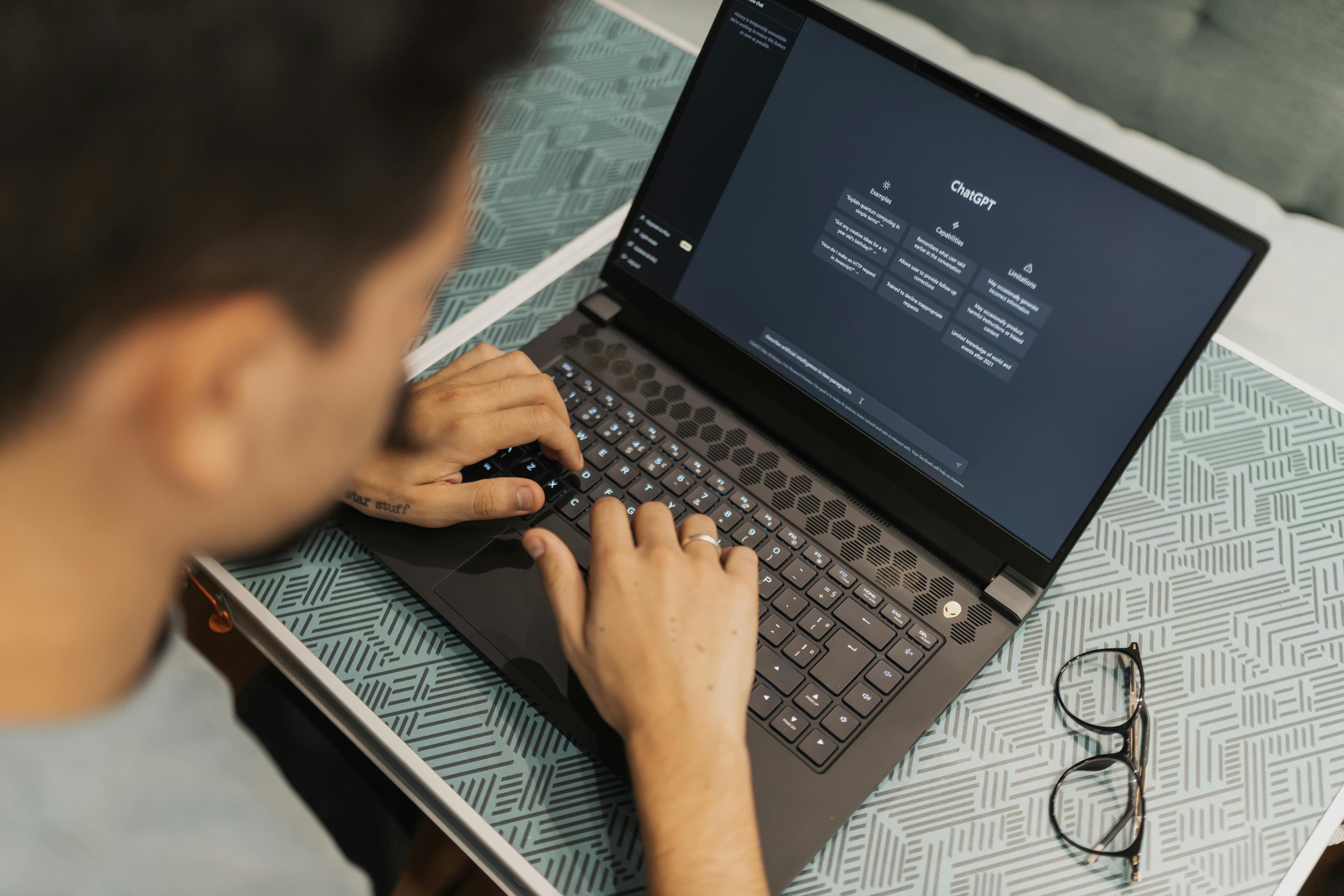
Safety in your creative workflow hinges on recognizing the strengths and weaknesses of AI tools. While it handles patterns and quick generation well, it still struggles with nuance and originality. Understanding these limits helps creators decide when to rely on AI and when to intervene. Embrace its role as an aid that supports your work, not one that supersedes your function.
The NY Times reported that newer AI tools are often less accurate than earlier versions. Tests show error rates reaching as high as 79%. Experts note that shifting training methods may be contributing to this decline. Understanding these limitations helps creators use AI more cautiously and responsibly.
Verify the Legitimacy of AI Platforms Before Use
The rush to adopt new AI tools can expose users to advanced digital scams. Always verify a platform’s legitimacy before sharing data. Check the website’s domain carefully, watching for subtle misspellings or strange extensions designed to imitate trusted services.
Research the company thoroughly, whether legitimate providers are transparent about leadership, funding, and privacy practices. Check independent reviews and tech coverage to verify safety. Beware of fake AI sites that impersonate trusted tools, using phishing tactics to steal credentials or install harmful malware.
Others are outright financial scams, offering unrealistic returns through fake “AI crypto” schemes. Many victims ultimately seek help from a crypto scam lawyer, which highlights the serious risks. A legal specialist in cryptocurrency is key to ensuring the recovery attempt is structured, methodical, and legally sound.
TorHoerman Law notes that these illegal activities often cross international borders. Effective representation requires strategies aligned with federal processes. Protect your creative assets and finances by making platform verification your first priority.
🛡️ Verified Safe AI Tools at Toolzoon.com
Tired of worrying about AI platform safety? Toolzoon provides verified, privacy-first AI tools for creators who value security:
- ✓ No data training on your uploads
- ✓ Industry-standard encryption
- ✓ Transparent privacy policies
- ✓ Regular security audits
Protect Your Personal Data and Creative Assets
Safeguarding your information is essential when using AI tools. Review privacy policies to understand how your data and files are handled, and avoid sharing sensitive or unpublished work without guaranteed security. Use strong passwords, enable two-factor authentication, and keep originals in secure storage. Treat your data as a valuable asset.
Based on the Cybernews Business Digital Index, data breaches have impacted almost 90% of the AI tools that were included in their analysis. This exposes businesses and creators to significant security risks. Such vulnerabilities highlight why careful data handling is essential. Always prioritize platforms with proven security measures to protect your personal information and creative assets.
Maintain Ethical and Copyright-Safe Use of AI Outputs
Ethical AI use is vital for protecting your reputation and creative integrity. Always ensure outputs don’t mimic copyrighted material or another creator’s style. Because AI learns from massive datasets, accidental overlap can occur. Run originality checks and refine outputs thoroughly to stay compliant and maintain trust in your creative process.
The Conversation reported that artificial intelligence companies and creative industries are locked in an escalating legal battle. At the center of these disputes is copyright. More than 60 active lawsuits in the US now involve creators and rightsholders challenging AI firms. This ongoing legal battle underscores the need for strict copyright-safe AI practices.
Keep a Human-First Creative Process
Even with advanced AI tools, your creativity and judgment should guide the process. AI may generate ideas or drafts efficiently, but it can’t replace human intuition or lived experience. In communication-heavy creative workflows, an AI Email Assistant can help users maintain safe and consistent interactions by reviewing previous email conversations and suggesting context-aware responses while keeping full human control over final messaging. Use it for support, not direction. This human-first approach preserves your artistic voice while still benefiting from AI-driven speed and innovation.
Americans strongly value knowing whether content is AI-made or human-created, yet many doubt their ability to spot the difference. A Pew Research Center survey found rising concern about AI’s influence on human skills. A clear majority at 53% expect AI to weaken creative thinking, in contrast to the 16% who believe it will strengthen it. As AI spreads across politics, arts, and work, people welcome its benefits but remain cautious.
Regularly Update Tools and Stay Informed About AI Safety
Staying updated with AI safety practices is essential for keeping your creative workflow secure and resilient. Developers routinely release updates that fix vulnerabilities, strengthen data protection, and improve overall performance.
Yet many users ignore these upgrades, which leave their systems exposed. Regularly updating tools ensures safer, smoother, and more reliable creative work.
Make it a habit to update your software, follow trusted AI safety news, and review new security features as they roll out. By staying proactive, you reduce risks, safeguard your creative assets, and ensure a smoother, safer experience with every tool you use.
Frequently Asked Questions
Can AI tools accidentally leak my unpublished creative work?
AI tools can expose unpublished creative work if privacy protections are weak or if platforms reuse uploaded data for training. Insecure or unverified services may store, leak, or misuse your content. Reviewing privacy policies and choosing trusted platforms helps keep your creative work secure.
What should my immediate response be after being defrauded by a fake AI tool or platform?
If you fall victim to an online AI-related scam, stop all contact immediately and secure your accounts. Report the incident to cybercrime authorities and notify your bank. Continue monitoring for misuse and seek expert help if your data has been compromised.
How do I maintain originality when many creators use similar AI tools?
You can maintain originality by using AI tools as starting points rather than final outputs. Add your own voice, experiences, and style through thoughtful refinement and experimentation. Your personal creativity ensures your work remains distinctive, even when others use similar AI tools.
Building a Creative Future Powered by Safe AI Practices
Using AI in your creative workflow offers endless possibilities, but safety, ethics, and human judgment must guide every step. By verifying platforms, protecting your data, respecting copyright, and maintaining a human-first approach, you can enjoy AI’s benefits without compromising integrity.
With mindful use, AI becomes a trusted collaborator, which enhances your creativity while keeping your work secure, original, and truly your own.
Enhance Your Creativity with Safe AI Practices
Learn to use AI responsibly, protect your data, and keep your creative workflow ethical.
Start Using Safe AI ToolsExplore Other Blogs
How to Write Persuasive Marketing Content: A Detailed Guide
21st of May 2025